What mechanisms exist to collect feedback? How will maintenance affect end-users?
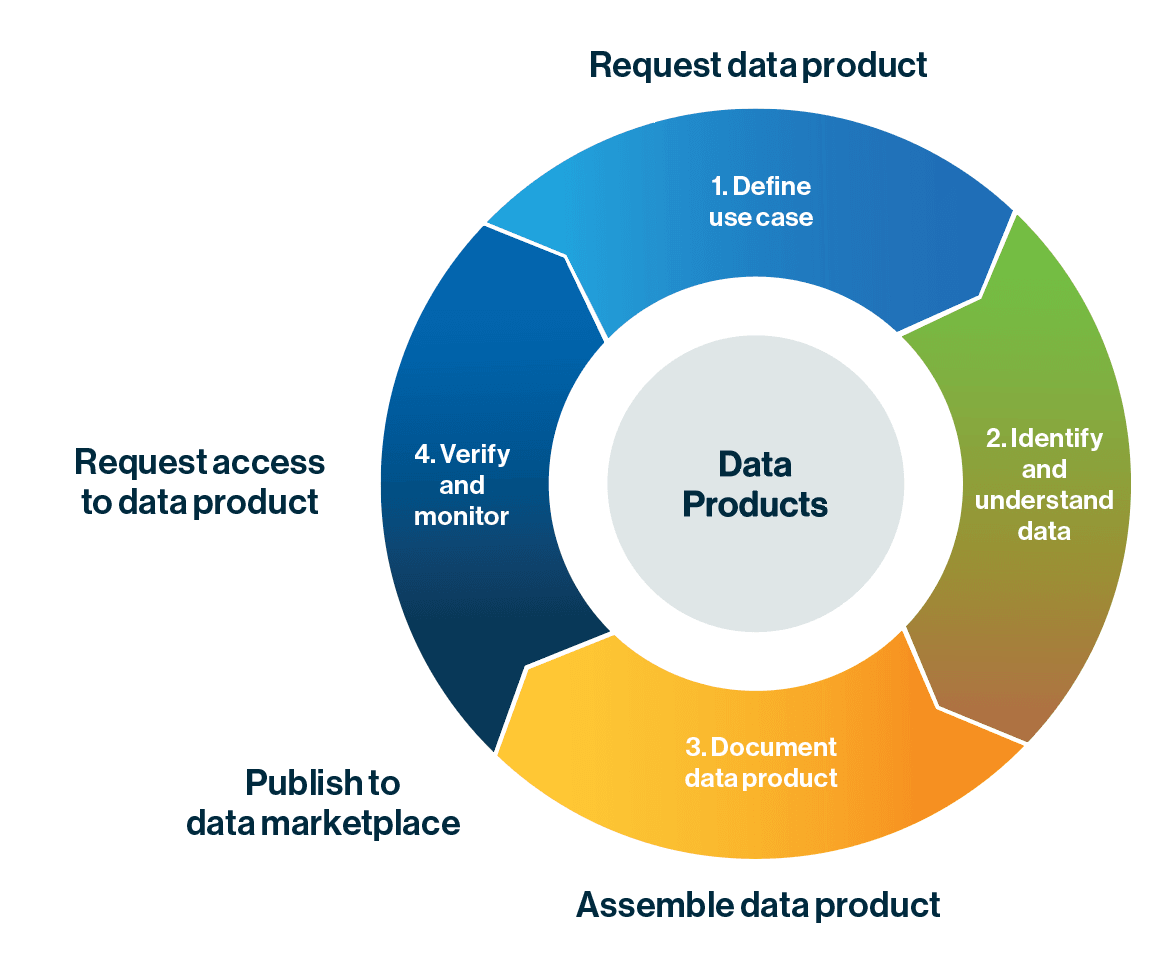
A robust data governance framework is essential for ensuring that data products maintain compliance and consistency as they scale. This framework helps organizations define clear policies and standards, which not only enhance data quality but also build trust among users. Also, best practices include defining lifecycle stages like 1) defining a business use case, 2) identifying and understanding data that will be used, 3) documenting the data product, and 4) verifying and monitoring the data product.
Additionally, seamless integration capabilities allow for easy connectivity with a wide range of data sources and tools, enabling organizations to build data products more efficiently. Coupled with automated workflows, which streamline data management processes, organizations can minimize the manual effort needed to maintain and scale data products. This combination of governance, integration and automation empowers organizations to adapt to changing data needs efficiently while ensuring high standards of quality and compliance.
Engaging users early and using an iterative development approach is vital for the successful maintenance of data products. This can include collecting feedback continuously through ratings, reviews and product analytics, for example.